Northwestern Haptics Lab
Northwestern Haptics Lab
This project focuses on achieving high-gain bilateral feedback control for a robotic glove and hand, enabling the robot hand to mimic your movements while allowing you to feel the forces it experiences. Commissioned by the Department of Energy, this project aims to enable researchers to perform dexterous tasks remotely, reducing exposure to severe radiation. The first six months were dedicated to creating an alpha prototype as a capstone project. The second iteration focuses on optimizing manufacturability, reliability, and further mimicking human hand proportions. This project is ongoing and pretty fun.
Iteration 1: First-Hand Experience
The team consisted of 20 members, with a subteam of 5 dedicated to the haptic finger. We developed a two-rotational joint robot that fits over the wearer’s index finger, requiring a deep understanding of hand mechanics. Our process began with a literature review, concept sketches, and low-fidelity prototypes to investigate form factor and user comfort.
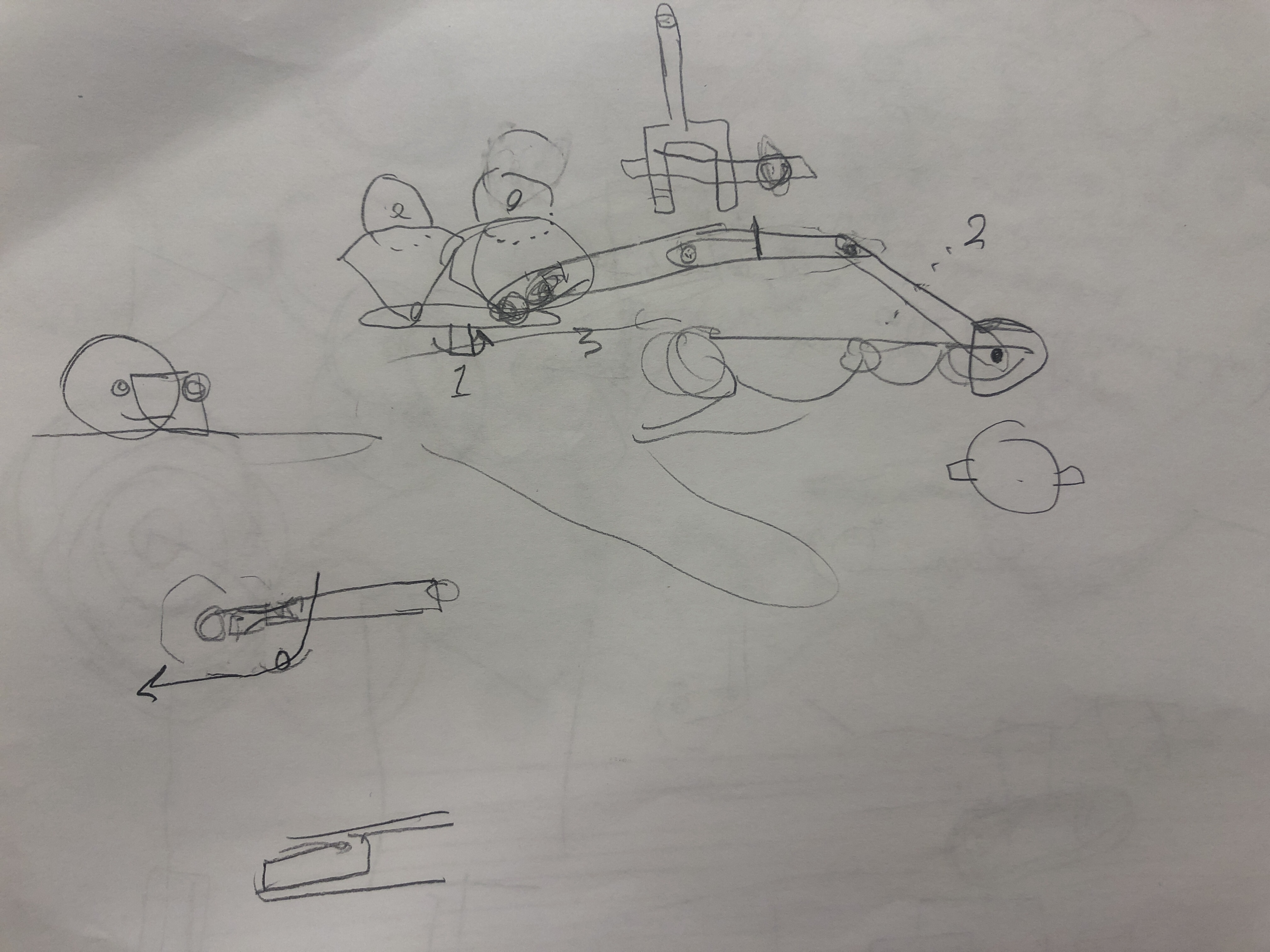
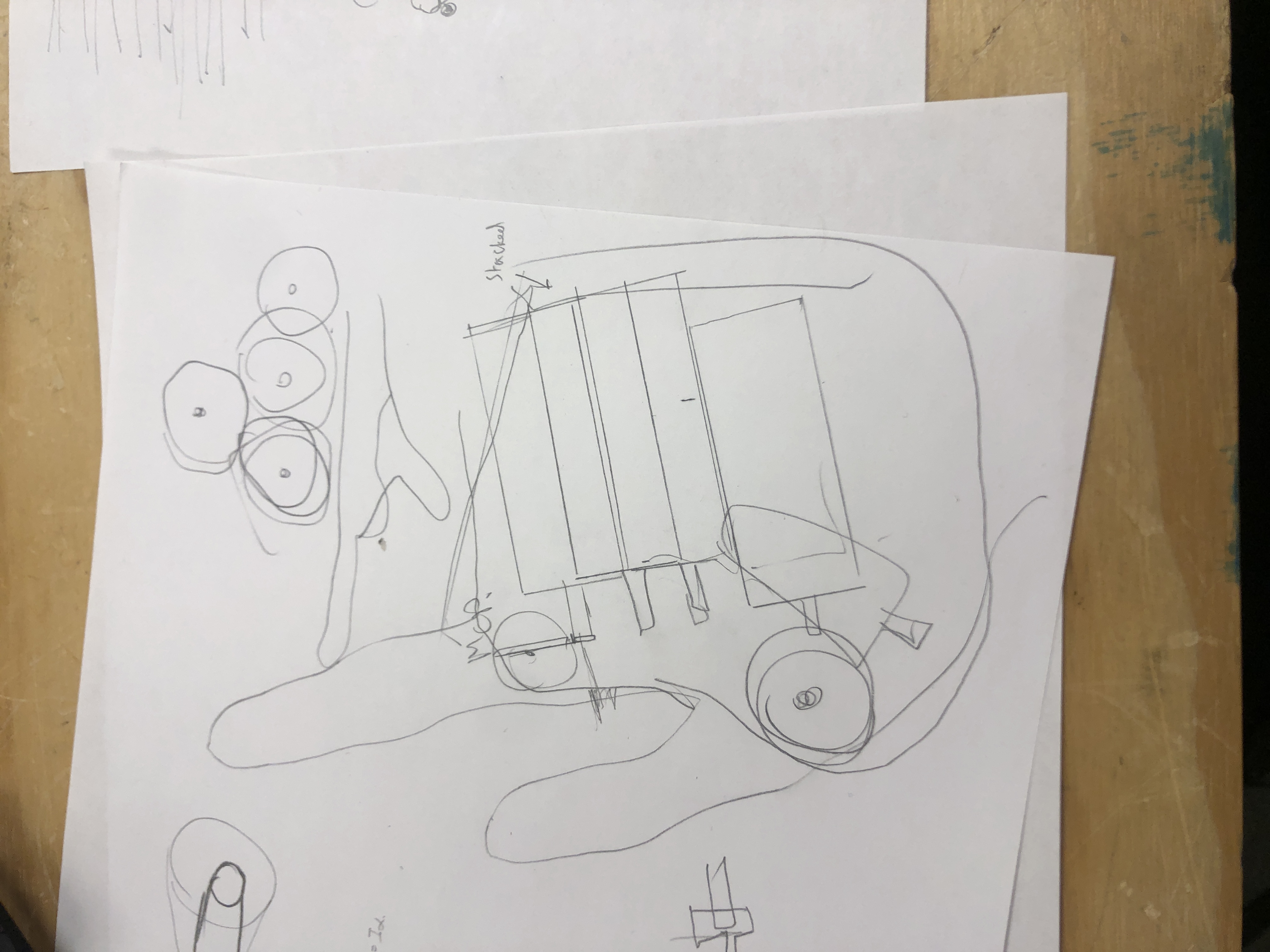
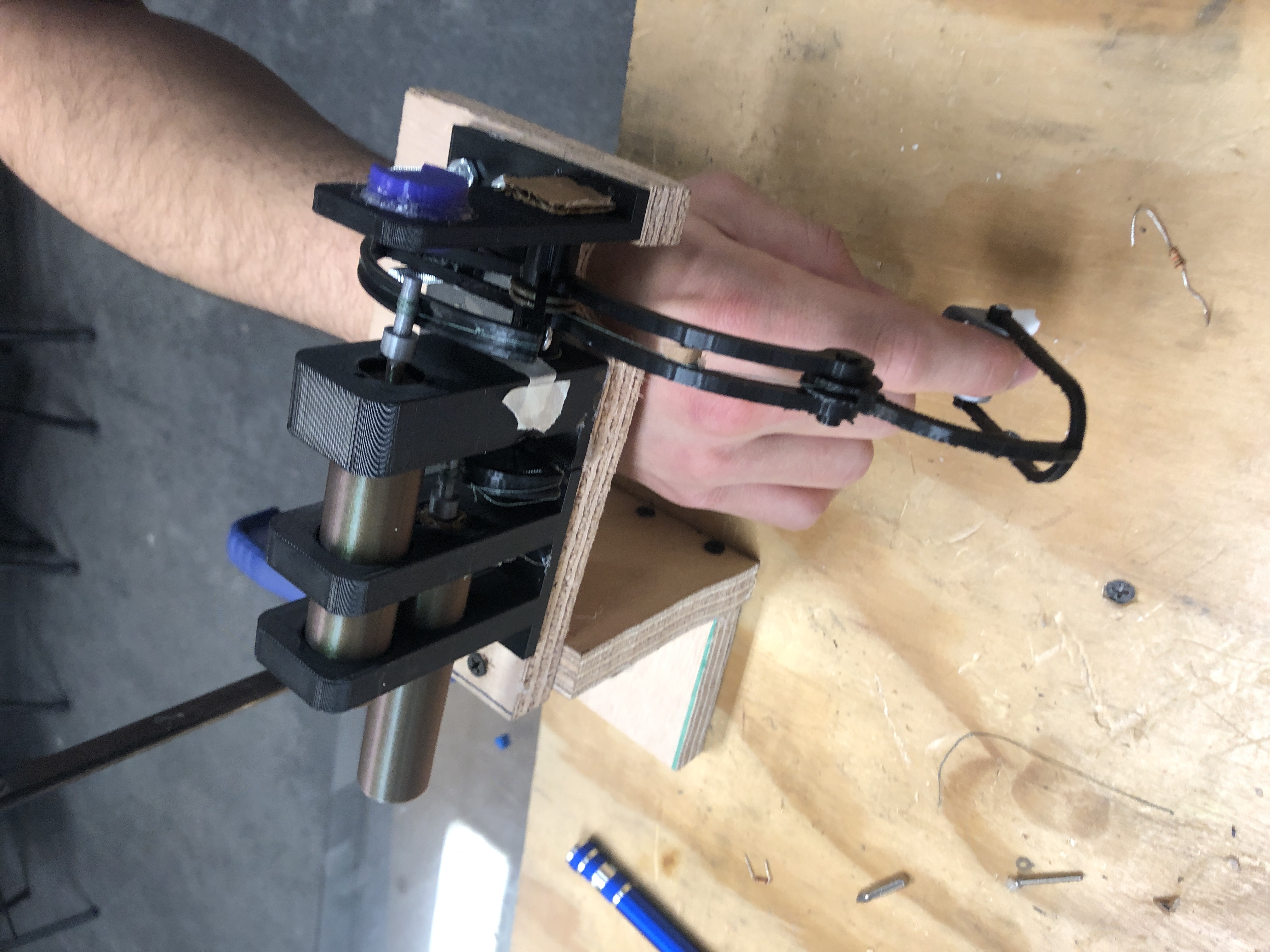
We opted for a cable transmission system due to its low friction and lack of backlash, unlike gears. While effective when set up correctly, the setup was challenging. Through several iterations, we developed accessible and intuitive tensioning mechanisms to combat cable slacking and slipping, which were major issues that disrupted user immersion and synchronization between the haptic and robotic sides.
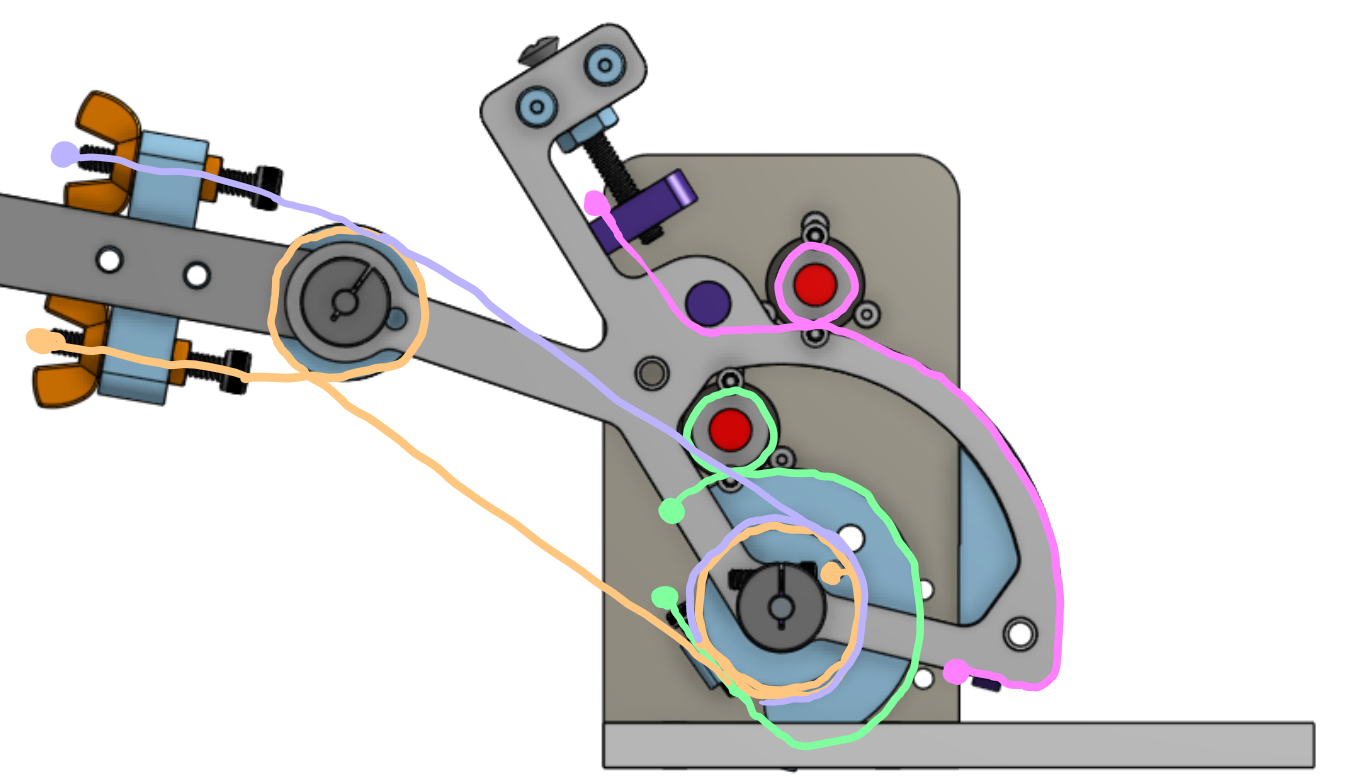
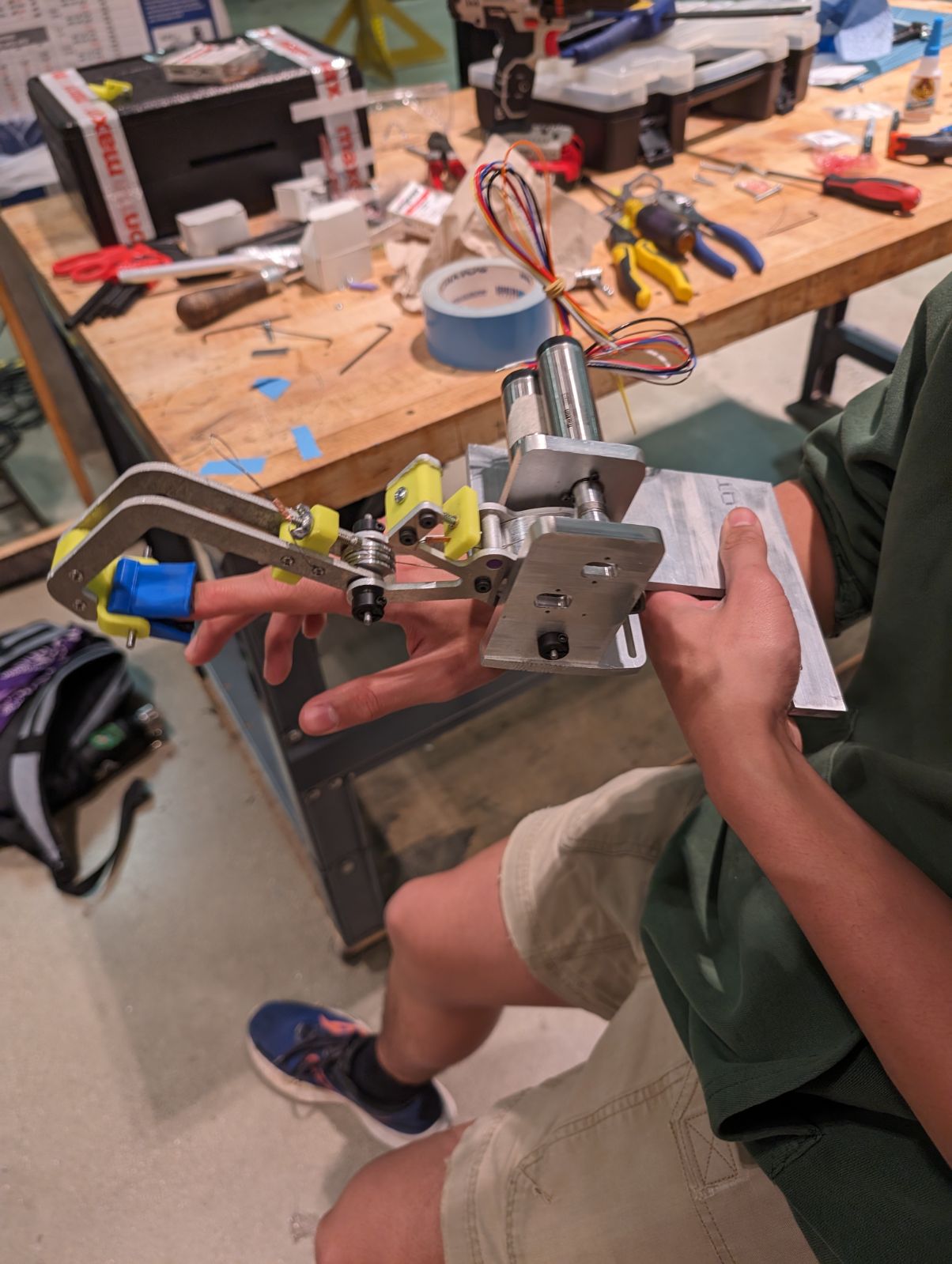
After integrating our systems, we successfully achieved bilateral control, enabling tasks like unscrewing a water bottle or grasping a vial.
Iteration 2: Triple Digits
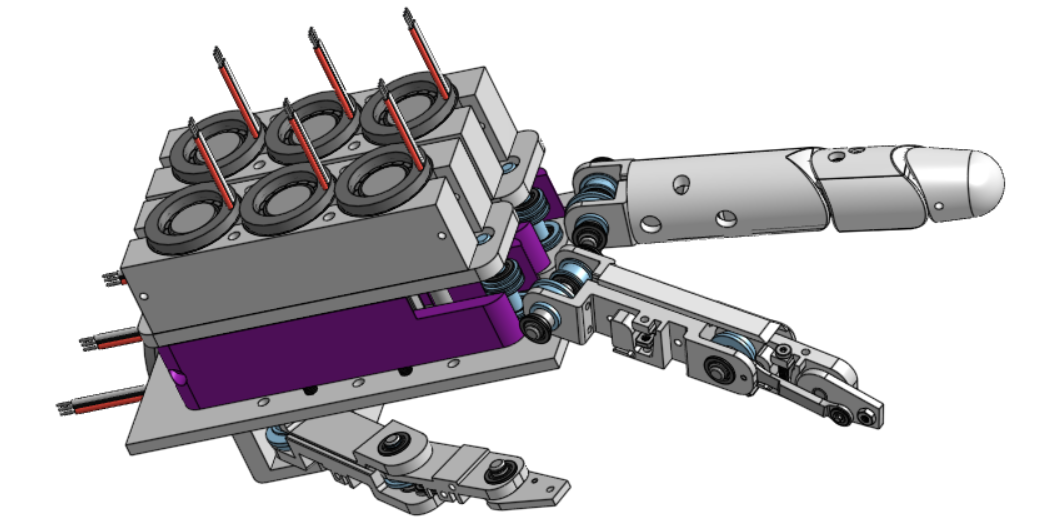
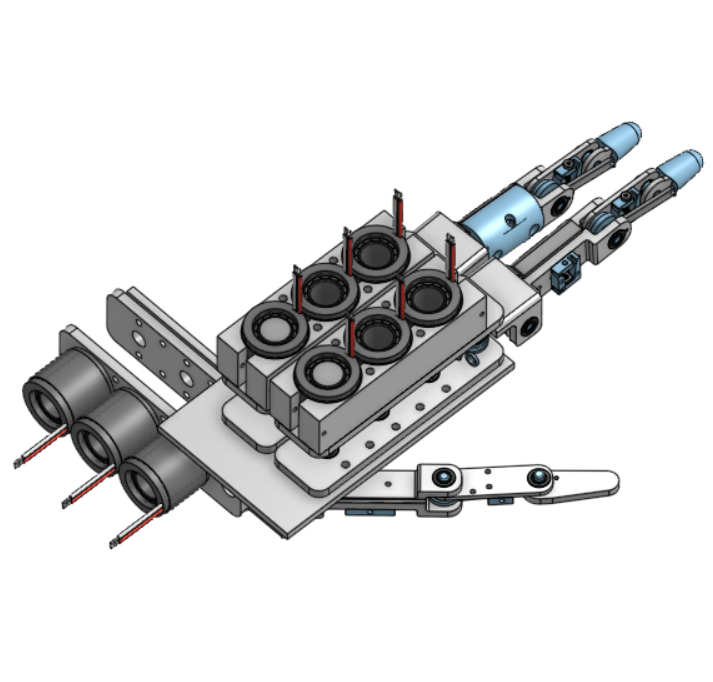
With insights from the first design, we emphasized ease of assembly and reduced the design to a more human form factor. We also added a middle finger to facilitate certain tasks. New features included potentiometers for joint position tracking, frameless motors to reduce weight, and an additional joint for finger splaying action.
This ongoing project showcases our dedication to innovation and precision in creating advanced haptic feedback systems.